
Sustainability and collaboration in a time of uncertainty
Libby Ellwood · Sustaining the Geo- and Biodiversity Data Ecosystem: Standards-Driven Approaches to Long-Term Resilience
Summaries and key moments are machine-produced. Check the recording for the speaker’s exact words.
The short versionSustaining biodiversity data infrastructure requires treating technology, people and a diversified funding portfolio as one interconnected system.
What this was about
Libby Ellwood introduced the International Partners for the Digital Extended Specimen (IPDES) and framed the symposium around sustaining the biodiversity data ecosystem. She presented the Digital Extended Specimen as a unifying architecture and identified three sustainability needs: technology and infrastructure, people, and funding. She argued that sustainability will come from a diverse, resilient funding portfolio rather than a single replacement source, and described how IPDES is taking this session to several conferences before synthesising the outcomes in a webinar.
Why it matters. It sets out the framing used by the whole symposium and makes the case that preserving servers and software is insufficient without the people and funding that keep the connections working.
In the room
- IPDES aims to coordinate a globally integrated network of stakeholders through technical and social infrastructure: data, tools, standards, people and working practices.
- The Digital Extended Specimen combines North American 'extended specimen' and European 'digital specimen' ideas: physical specimen, digital record, and links to further information and relationships.
- Three sustainability needs emerged: technology and infrastructure, a resilient and inclusive community, and funding.
- Funding should come from a diverse portfolio: long-term public investment, philanthropy, international partnerships, existing organisations and new models recognising the socioeconomic value of biodiversity data.
- Versions of the session were run at the iDigBio Digital Data conference, SPNHC, TDWG and ICOM-NatHist, to be synthesised in a later webinar.
Notable moments
Transcript
Automatically generated captions can contain mistakes, especially in names and technical terms. Times are relative to the room recording.
Read the transcript ↓
Related talks.
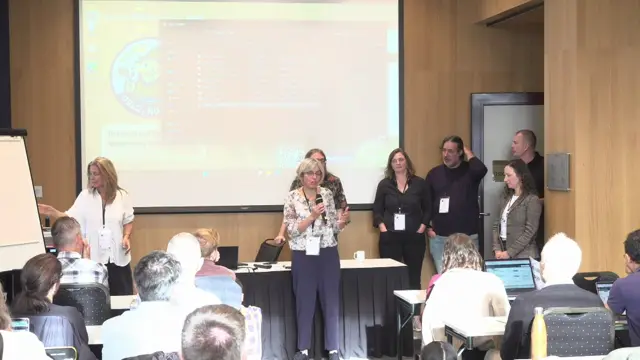
SYM18 discussion: who sustains biodiversity data infrastructures?
Volunteer and single-developer infrastructures deliver proven value, but the community lacks mechanisms and funding to protect them.
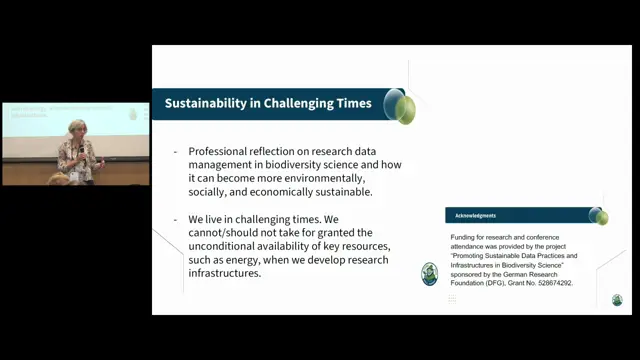
Adopting Environmental Sustainability as a Strategy to Build Resilient Data Infrastructures in Biodiversity Science
Building frugal, environmentally sustainable data infrastructures is a practical risk-management strategy for resilience.
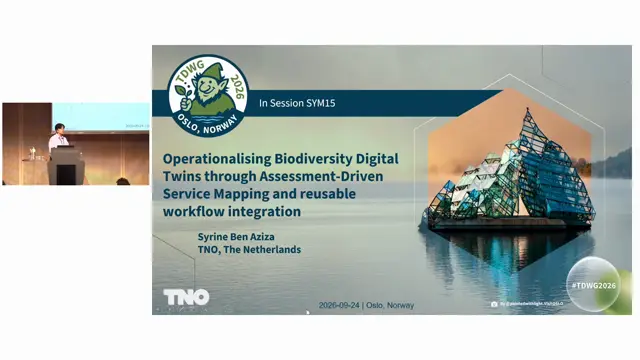
Operationalising biodiversity DT ecosystems through assessment-driven service mapping and reusable tools and workflow integration
A simple, purpose-first assessment that maps a team's needs and capabilities to an inventory of existing tools helps digital twin projects reuse rather than rebuild.